Mrs. López and all of the Staff that had helped us it has been an absolute pleasure. They always had an answer to our questions and treated us with respect but most of all they listened.
Alondra O.Outstanding Attorneys and Legal Team. Lopez, Justin, and Daisy were quick to answer my questions and handled my accident case with speed and courtesy. The outcome was much better than I anticipated.
Robert R.A huge thanks to your office for such a great experience with my case. Special thanks to Denora, Carmen, and especially Kevin for answering my many calls and questions and keeping me informed through the entire process. I’m am extremely happy and grateful with the outcome.
Kathy W.



A boating accident can turn a peaceful afternoon on the water into a frightening experience. You may have been enjoying time with family on Lake Parker or Lake Gibson when another boat struck your vessel, leaving you with painful injuries and unexpected medical bills.
Boating accident injuries can affect your ability to work, care for your family, and return to activities you enjoy. Some victims require surgery, physical therapy, or months of medical care before they understand how seriously the accident has changed their life.
North Lakeland boat accident lawyers can help you understand your legal rights when another person’s negligence causes harm. Knowing what evidence matters and which laws apply can help you make informed decisions about seeking financial compensation.
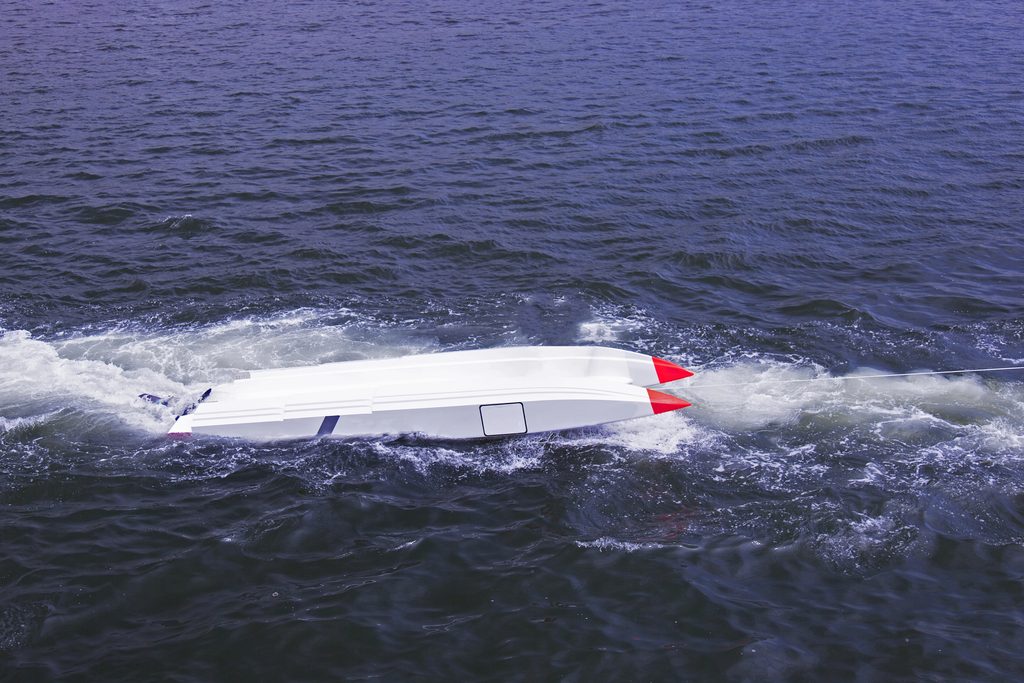
Common Causes of Boating Accidents in North Lakeland
A boat collision can happen when an operator fails to watch for nearby vessels, travels too quickly, or ignores navigation rules. Changing water conditions and sudden turns may leave other boaters with little time to avoid an accident.
Alcohol impairment is another serious concern. Under Florida Statutes § 327.35, operating a vessel while impaired by alcohol or certain substances is unlawful and can endanger passengers and others on the water.
Other accidents involve inexperienced operators, equipment problems, unsafe turns, or reckless operation of personal watercraft. Whether you were injured on a fishing boat or while riding jet skis, determining what caused the collision is an important part of your potential claim.
Understanding Boat Operator Liability Under Florida Law
Florida law requires vessel operators to exercise care and follow applicable navigation rules. Florida Statutes § 327.33 addresses careless and reckless operation, including conduct that endangers people or property.
Under Florida Statutes § 327.32, liability for reckless or careless vessel operation generally rests with the operator in immediate charge. The statute also allows owner liability when the owner was operating the vessel or was present aboard when the injury or damage occurred.
An owner who was absent from the boat is not automatically liable under this provision simply because another person had permission to operate it. Other legal theories may require separate examination, making it important to identify the operator, the owner’s involvement, and the circumstances of the accident.
Common Boat Accident Injuries and Medical Concerns
A boating accident can cause injuries when passengers strike hard surfaces, fall into the water, or collide with another vessel. These injuries may include fractures, burns, head trauma, spinal cord injuries, and damage to internal organs.
Some boating accident victims experience immediate pain, while others notice symptoms after returning to shore. Headaches, dizziness, weakness, confusion, or abdominal discomfort may require medical attention even when there are no obvious wounds.
Serious injuries can require surgery, rehabilitation, and extensive medical treatment. Seeking prompt medical care can help identify complications, support your recovery, and create records connecting your condition to the incident.
What to Do After a Boat Collision in Lakeland
Your first priority after a collision should be reaching safety and obtaining necessary medical assistance. Florida Statutes § 327.30 also requires vessel operators to provide practicable assistance to affected people when doing so does not create serious danger to their own vessel, crew, or passengers.
Under § 327.30, qualifying boating accidents must be reported without delay using the quickest available means. Reportable incidents include death, disappearance suggesting injury or death, injuries requiring treatment beyond immediate first aid, or apparent property damage totaling at least $2,000.
The operator must notify the Florida Fish and Wildlife Conservation Commission’s Division of Law Enforcement, the appropriate county sheriff, or the municipal police chief when applicable. If your condition permits, photograph the accident scene, record vessel identification, collect witness information, and preserve available evidence.
Determining Responsibility for Lakeland Boating Injuries
Establishing liability may require examining how each vessel was operated before the collision. Relevant evidence can include witness accounts, photographs, vessel damage, navigation information, and findings from an official investigation.
A Lakeland boating accident attorney may investigate whether an operator violated navigation rules, failed to maintain a proper lookout, or traveled at an unsafe speed. Mechanical failures, missing safety equipment, and the conduct of other vessels may also require examination.
Responsibility may be shared among multiple parties. In Florida negligence claims governed by § 768.81, a claimant found more than 50 percent responsible generally cannot recover damages, subject to statutory exceptions, while different comparative fault principles may apply under federal maritime law.
How Maritime Law May Affect a Lakeland Boating Claim
Boating injuries do not always follow the same legal rules as car accidents or other incidents on land. Depending on the location and circumstances, federal maritime law may apply instead of or alongside Florida state laws.
Federal admiralty tort jurisdiction generally requires an accident on a qualifying navigable waterway and a sufficient connection to traditional maritime activity. For inland waters, navigability often depends on whether the waterway can serve as a route for interstate or international commercial navigation.
Accidents on Lake Parker, Lake Gibson, and other Central Florida lakes may be governed by Florida negligence law. Recreational boating alone does not establish federal maritime jurisdiction, and the legal status of each waterway should be determined before applying federal maritime rules.
Compensation Available After Serious Boating Injuries
A boating injury can leave you facing medical bills while your normal income is interrupted. You may need additional medical treatment, physical therapy, transportation to appointments, or help completing everyday activities.
Depending on the applicable law and evidence, compensation may include medical expenses, lost income, reduced earning capacity, and future treatment costs. Certain claims may also permit damages for physical pain, emotional suffering, and other legally recognized losses.
Fair compensation depends on your documented damages, the responsible party’s liability, and the rules governing the claim. Although you may wish to pursue maximum compensation, no attorney can guarantee a particular settlement, trial result, or amount of financial recovery.
Insurance Challenges Following a Boat Accident
After a boating accident, insurance companies may investigate how the collision occurred and whether an applicable policy provides coverage. Boat insurance differs from car insurance, and policies may contain limits, exclusions, or conditions affecting payment.
Disagreements can arise over who caused the collision, whether an operator violated safety rules, or whether the claimed medical treatment was necessary. The insurer may also request records concerning your injuries, vessel damage, lost income, and expenses incurred because of the accident.
Before accepting a settlement offer, consider whether the proposed payment accounts for your documented losses and reasonable future needs. A fair settlement should reflect the evidence and applicable legal requirements, while a final release may prevent additional recovery for claims covered by the agreement.
Understanding Legal Deadlines for Florida Boating Claims
For many Florida negligence claims arising on or after March 24, 2023, the general filing deadline is two years. Claims arising before that date may be governed by different limitations rules, and the applicable period depends on when the claim accrued and any relevant statutory exceptions.
When a boating injury qualifies as a maritime tort, federal law generally provides a three year limitations period under 46 U.S.C. § 30106, unless another law applies. Whether maritime law governs depends on the particular waterway, the nature of the incident, and the requirements for federal admiralty jurisdiction.
Reporting an accident to authorities does not replace filing a civil lawsuit. Even when you are still receiving treatment or negotiating with insurers, legal deadlines may continue to run, so determining the applicable law in a timely manner is important.
Choosing Legal Help After a North Lakeland Boat Accident
Finding appropriate legal help begins with understanding how your accident will be investigated and which laws may apply. Personal injury attorneys handling vessel collisions should be prepared to explain potential liability, insurance questions, and the evidence needed for your case.
When comparing a Lakeland boating accident lawyer with other injury attorneys, ask about experience handling vessel collisions and evaluating maritime law issues. You should also understand how phone calls are handled, how frequently you will receive updates, and who will manage your legal needs.
Some personal injury lawyers accept qualifying cases on a contingency fee basis, meaning attorney fees generally depend on obtaining a recovery. The written agreement should explain the fee calculation, litigation expenses, and other required terms before you agree to representation.
Boating Injury Claims Across Polk County Lakes
Boating accidents may occur on Lake Parker, Lake Gibson, and other recreational waterways around Lakeland. Water conditions, visibility, vessel movement, and the location of the collision can affect how an accident is investigated.
Families from Winter Haven and surrounding Polk County communities also enjoy recreational boating on local lakes. Whether the incident involves a fishing boat, recreational vessel, or personal watercraft, the investigation should focus on the particular conditions and people involved.
Boating regulations may include posted speed restrictions, navigation markers, and other requirements that apply to a specific area. Investigators may examine those rules alongside photographs, official reports, and evidence of the operators’ conduct to determine what happened.
Contact López & Humphries, PA About Your Boating Injury
If you need North Lakeland boat accident lawyers, López & Humphries, PA offers a free consultation to discuss your boating accident injuries, concerns, and legal options. You can contact the law firm to schedule a conversation with its legal team, discuss your personal injury law questions, and learn what steps may help protect your interests. Whether you were injured or a family member suffered serious harm, speaking with an attorney can help you decide whether pursuing compensation is appropriate for your situation.
Frequently Asked Questions About North Lakeland Boat Accidents
Can I File a Claim After a Boat Collision on Lake Parker?
You may have grounds for a personal injury claim if another operator’s negligent conduct caused your injuries. Evidence of unsafe operation, navigation violations, or failure to maintain a proper lookout may help establish liability.
A personal injury lawyer can examine the circumstances and determine which legal framework applies. The fact that an accident happened on an inland lake does not automatically establish federal maritime jurisdiction.
What if the Boat Operator Was Drinking Alcohol?
Operating a vessel while impaired can violate Florida Statutes § 327.35. Evidence of alcohol impairment may be relevant when determining whether an operator acted negligently or recklessly.
However, impairment alone does not establish every element of a civil injury claim. The evidence must also connect the operator’s conduct to the accident and the harm you suffered.
Can I Seek Compensation After a Jet Ski Accident?
Yes, depending on how the accident occurred and who was responsible. Collisions involving jet skis and other personal watercraft can cause fractures, head trauma, spinal injuries, and other serious harm.
A claim may involve another operator or a different party whose conduct contributed to the collision. The available compensation depends on the evidence, applicable legal rules, and circumstances.
Can a Boat Owner Be Liable if Someone Else Was Operating?
Possibly. Under Florida Statutes § 327.32, liability for careless or reckless operation generally rests with the operator in immediate charge, but the owner may also be liable when operating the vessel or present aboard during the incident.
Permission alone does not automatically make an absent owner liable under that statute. Other potential grounds for responsibility must be examined separately based on the facts and applicable law.
Does Boat Insurance Pay for My Injuries?
Boat insurance may cover certain injuries or damages, depending on the policy and circumstances. Coverage is not automatic, and exclusions or limits may affect the amount available.
Your claim may also involve another operator’s policy or other applicable coverage. Reviewing the relevant insurance documents can help identify possible sources of payment.
How Long Do I Have to File a Boating Accident Lawsuit?
Many Florida negligence claims arising on or after March 24, 2023, generally have a two year filing period. Earlier claims may be governed by different rules, while qualifying federal maritime tort claims generally have a three year limitations period.
Special exceptions, accrual rules, and other laws may affect these deadlines. Determining which law applies to the waterway and your particular situation is important before calculating the time available.
How Much Does a Lakeland Boat Accident Attorney Cost?
The cost depends on the attorney’s fee arrangement and the work required. Some lawyers handle eligible personal injury claims on a contingency fee basis, with payment calculated according to a written agreement.
Before hiring an accident lawyer, ask how fees are calculated, whether expenses are deducted from a recovery, and what financial obligations may remain if the case is unsuccessful. Understanding these terms can help you make an informed decision about representation.