Mrs. López and all of the Staff that had helped us it has been an absolute pleasure. They always had an answer to our questions and treated us with respect but most of all they listened.
Alondra O.Outstanding Attorneys and Legal Team. Lopez, Justin, and Daisy were quick to answer my questions and handled my accident case with speed and courtesy. The outcome was much better than I anticipated.
Robert R.A huge thanks to your office for such a great experience with my case. Special thanks to Denora, Carmen, and especially Kevin for answering my many calls and questions and keeping me informed through the entire process. I’m am extremely happy and grateful with the outcome.
Kathy W.



Being struck by a vehicle while walking can leave you with serious injuries, painful medical bills, and uncertainty about your recovery. You may have been crossing Memorial Boulevard, walking near U.S. Highway 98, or heading toward a local business when a driver failed to notice you.
A pedestrian accident can cause broken bones, head injuries, and lasting physical pain. Unlike people inside a car, pedestrians have little protection from the force of a collision, making even a relatively slow impact dangerous.
North Lakeland pedestrian accident lawyers can help you understand your legal rights when someone else’s negligence causes harm. Knowing how liability is determined and what compensation may be available can help you make informed decisions while focusing on your recovery.
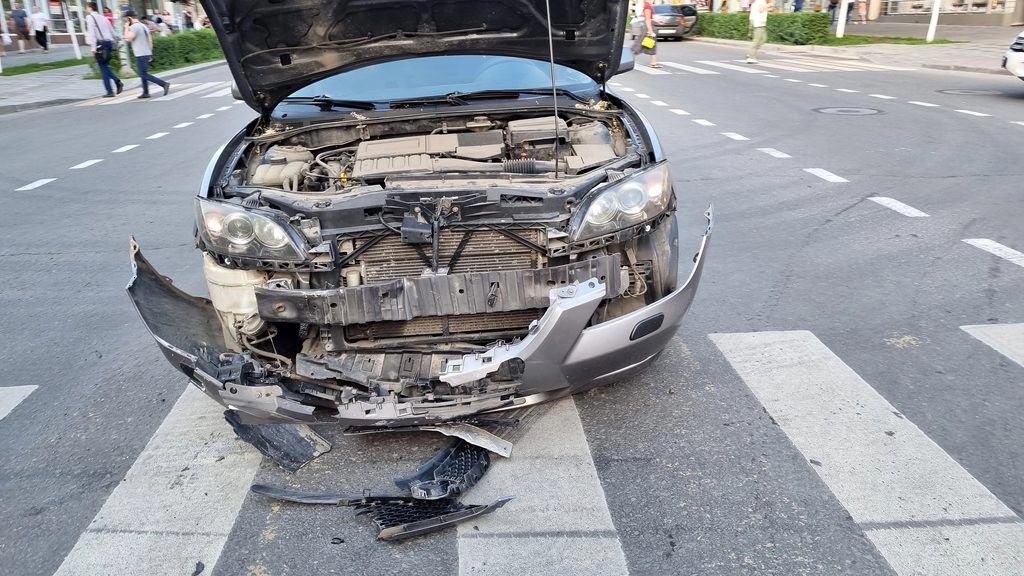
Common Causes of Pedestrian Accidents in North Lakeland
Distracted driving can pose a serious danger to people walking near busy roads. Drivers who look at their phones, check navigation systems, or stop paying attention near intersections may fail to notice someone crossing the street.
Drunk driving, speeding, and failure to obey traffic laws can also cause serious collisions. Drivers who ignore stop signs, run red lights, or fail to yield near a designated crosswalk may leave pedestrians with little time to react.
Heavy traffic, bad weather, and limited visibility can make accidents involving pedestrians more dangerous, especially those involving large vehicles. Although some vehicles have safety features such as backup cameras, drivers must still check their surroundings before moving.
Understanding Pedestrian Crossing Rights Under Florida Law
Under Florida Statutes § 316.130, pedestrians have specific rights and responsibilities when using public roads and crossings. Drivers must obey applicable traffic signals and yield to pedestrians when required by law.
When traffic lights control an intersection, pedestrians must follow the applicable signals before they begin crossing. Florida law also requires drivers to yield in certain marked or unmarked crosswalks when traffic control signals are absent or not operating, subject to the conditions established by § 316.130.
A pedestrian does not automatically have the right of way in every situation. However, crossing outside a designated crosswalk does not necessarily prevent an injured pedestrian from pursuing a claim when driver negligence contributed to the collision.
Common Pedestrian Accident Injuries and Medical Concerns
Pedestrian accident injuries can affect nearly every part of the body. Broken bones, internal bleeding, spinal cord injuries, and traumatic brain injury are among the serious conditions that may result when a motor vehicle strikes someone walking.
Head and neck injuries can cause lasting problems with memory, movement, and everyday activities. Herniated discs, nerve damage, and severe fractures may also require surgery, physical therapy, or extended rehabilitation.
Some symptoms may develop after the accident, even when there are no obvious external wounds. Seek prompt medical attention after a collision, especially if you experience worsening headaches, confusion, abdominal pain, weakness, or other signs of potentially life threatening injuries.
Pedestrian Accident Risks Around Lakeland
A Lakeland pedestrian accident may happen near a shopping center, school, neighborhood intersection, or another area with regular foot traffic. Streets connecting residential communities to commercial areas can create situations where drivers and pedestrians must share limited space.
Imagine crossing Memorial Boulevard near a signalized intersection when a turning driver fails to yield. The circumstances may raise questions about the traffic lights, the driver’s actions, and whether the pedestrian followed the applicable crossing signals.
Downtown Lakeland also has intersections where drivers must remain alert for people crossing between businesses, parking areas, and sidewalks. Similar concerns arise in school zones, where children may be harder to see and drivers must follow posted speed limits and applicable traffic restrictions.
What to Do After a North Lakeland Pedestrian Collision
Your safety should come first after being struck by a vehicle. If you are seriously hurt, remain in a safe location when possible and request emergency medical assistance rather than attempting to walk away from the accident.
If your condition allows, photograph the accident scene, vehicle damage, road markings, and nearby traffic signs. Ask for the driver’s insurance information and obtain witness contact details before people leave the area.
Report the collision to law enforcement and request information about obtaining the official accident report. Medical records, photographs, and witness statements may help explain what happened and connect the injuries sustained to the incident.
Proving Driver Negligence After a Pedestrian Accident
To establish liability in a pedestrian accident case, you generally need evidence that the driver owed you a duty of care, breached that duty, and caused legally recognized harm. The fact that a pedestrian was injured does not automatically establish that the driver was responsible.
A Lakeland pedestrian accident attorney may examine surveillance footage, witness accounts, traffic signal timing, and roadway conditions. These details can help determine whether the driver failed to yield, ignored traffic controls, or operated the vehicle without reasonable care.
The investigation may also examine whether other vehicles obstructed the driver’s view or whether roadway conditions contributed to the collision. Establishing fault requires considering the relevant evidence rather than relying solely on statements from either person involved.
How Shared Fault Can Affect Pedestrian Injury Claims
An insurance company may argue that a pedestrian contributed to an accident by crossing outside a marked area or entering the roadway unexpectedly. Such an allegation does not automatically establish responsibility.
For claims governed by Florida Statutes § 768.81, a person found more than 50 percent responsible generally cannot recover damages in covered negligence actions, subject to statutory exceptions. When the injured person’s responsibility does not exceed that threshold, damages may be reduced according to their percentage of fault.
The applicable rule depends on the claim and the law governing the incident. A pedestrian accident lawyer can evaluate crossing signals, driver conduct, visibility, and other evidence when responsibility is disputed.
Insurance Coverage After a Florida Pedestrian Accident
Florida personal injury protection insurance may cover qualifying pedestrians injured by motor vehicles. Depending on the circumstances, benefits may be available through your own auto insurance policy, an eligible resident family member’s policy, or another policy required to provide coverage under Florida law.
Under Florida Statutes § 627.736, eligibility depends on the applicable insurance policy, statutory definitions, household relationships, vehicle ownership, and coverage priority rules. Qualifying initial medical services generally must occur within 14 days of a covered accident for certain PIP medical benefits to be available.
Covered medical benefits may reach up to $10,000 when statutory requirements are satisfied, including a qualifying emergency medical condition determination by an authorized provider. Without that determination, eligible medical benefits are generally limited to $2,500, and neither amount represents a guaranteed payment.
Compensation Available for Pedestrian Accident Injuries
A serious collision can leave you facing hospital bills while you are unable to work. Depending on the facts, compensation may include medical expenses, lost wages, rehabilitation costs, and future medical expenses connected to the accident.
You may also be able to seek compensation for physical pain, emotional suffering, and diminished quality of life when permitted by applicable law. In motor vehicle injury claims governed by Florida Statutes § 627.737, these noneconomic damages generally require proof that the injury meets a statutory threshold.
Qualifying conditions include a permanent injury within a reasonable degree of medical probability, significant and permanent loss of an important bodily function, significant and permanent scarring or disfigurement, or death. Not every pedestrian injury claim is subject to the same threshold, and financial compensation depends on the applicable law, evidence, and available coverage rather than a promise of maximum compensation.
Medical Records That Support Your Pedestrian Injury Claim
Medical documentation can help explain how a collision affected your health and ability to function. Emergency evaluations, imaging results, treatment recommendations, and specialist reports may show the severity of your condition.
For pedestrians with serious injuries, continued treatment records can be especially important. They may help establish whether you need further rehabilitation, surgery, medical equipment, or assistance with everyday activities.
Keep copies of your medical bills, employment records, and receipts for expenses related to recovery. These documents may help a personal injury attorney evaluate the financial impact of your injuries and determine which losses may be included in your claim.
Insurance Disputes After a Lakeland Pedestrian Collision
An insurance company may investigate whether the driver caused the collision and whether the requested damages are supported by evidence. Disagreements may involve the crossing location, traffic conditions, medical treatment, or previous health problems.
For Lakeland pedestrian accident victims, disputes can become particularly difficult when injuries prevent a return to work. The insurer may question future treatment costs or whether all claimed symptoms resulted from the incident.
Before accepting a settlement offer, consider whether your current losses and reasonable future needs have been evaluated. A final release may prevent further recovery for losses covered by the agreement, even when additional treatment becomes necessary later.
Filing Deadlines for Pedestrian Injury Claims in Polk County
Florida generally provides a two year filing deadline for negligence actions subject to the statutory amendments effective March 24, 2023. Certain earlier claims may be governed by previous limitations rules, while other legal theories and statutory exceptions may carry different deadlines.
Claims against governmental entities may involve special presuit notice requirements, sovereign immunity rules, and procedural restrictions under Florida Statutes § 768.28. A government agency is not automatically liable because a collision occurred on a public road, and any claim involving traffic signals or roadway conditions requires careful examination of the alleged negligence and applicable immunities.
Insurance deadlines also differ from lawsuit filing deadlines, and receiving benefits does not automatically extend the time available to sue. Waiting until your treatment is finished can make evidence harder to gather, as witness memories fade and surveillance recordings become unavailable.
When a Pedestrian Collision Causes Wrongful Death
Some pedestrian fatalities result from collisions involving speeding drivers, impaired motorists, or other serious traffic violations. When a family loses a loved one, the emotional and financial consequences can affect every part of daily life.
Under Florida’s Wrongful Death Act, the deceased person’s personal representative generally brings a wrongful death action for the benefit of the estate and eligible survivors. The available damages and the people entitled to them depend on the requirements of Florida Statutes §§ 768.18 through 768.21.
Florida wrongful death actions generally have a separate two year filing period under § 95.11, although statutory exceptions and special circumstances may affect the deadline. Families may also need to establish the responsible party’s negligence while documenting qualifying financial losses and damages available to surviving relatives.
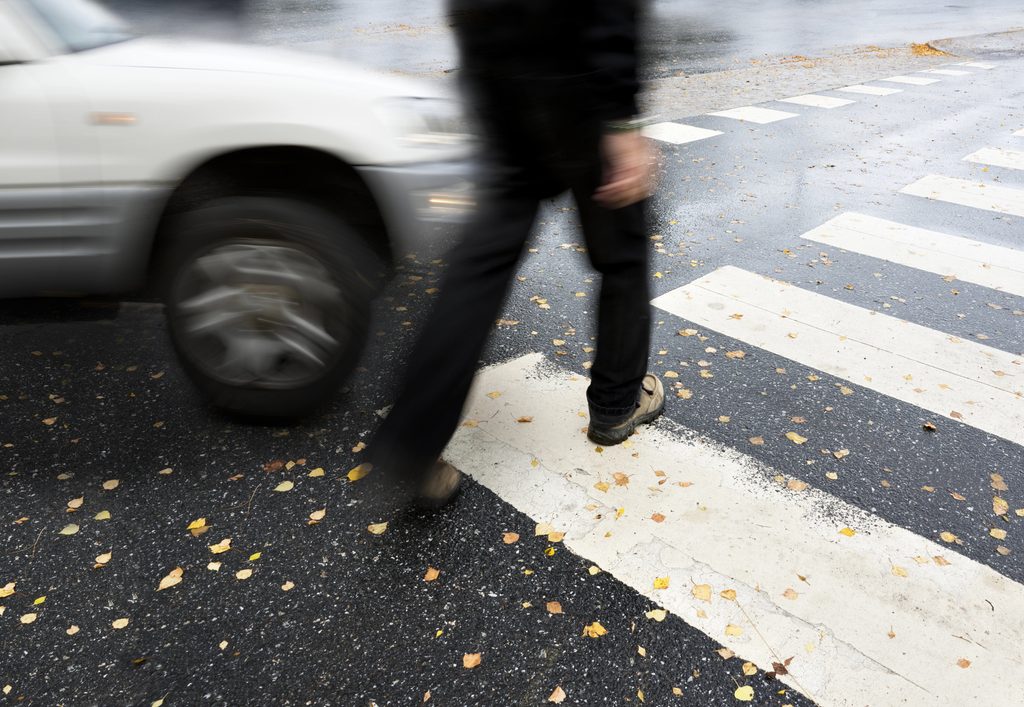
Choosing Pedestrian Accident Legal Help in Lakeland
Finding a pedestrian accident attorney can feel overwhelming when you are recovering from serious injuries. A knowledgeable professional should explain how your accident will be investigated, which insurance policies may apply, and what evidence is needed.
When comparing legal professionals, ask how they handle claims involving distracted drivers, disputed crossing signals, and significant medical expenses. You should understand who will manage your case, how communication works, and what fees or costs may apply.
Some attorneys accept qualifying personal injury cases on a contingency basis, meaning attorney fees generally depend on obtaining a recovery. A written agreement should explain how fees and litigation expenses are handled before you agree to representation.
Pedestrian Safety Concerns Across Central Florida
Pedestrian accidents can happen throughout Polk County, from North Lakeland intersections to commercial roads connecting nearby communities. The location may affect which law enforcement agency investigates the collision and what roadway evidence is available.
Pedestrians in Winter Haven may encounter similar risks near busy intersections and shopping areas. However, each collision requires its own investigation into traffic controls, driver behavior, visibility, and the actions of those involved.
People walking near schools, restaurants, and residential streets may face greater risk when motorists fail to watch for crossing traffic. Understanding the conditions at the specific location can help identify whether a traffic violation or another negligent act contributed to the injury.
Contact López & Humphries, PA About Your Pedestrian Injury
If you need North Lakeland pedestrian accident lawyers, López & Humphries, PA offers a free consultation to discuss your injuries, concerns, and potential legal options. You can contact the legal team to speak about your Lakeland pedestrian accident, ask questions about available compensation, and learn what information may help evaluate your claim. Getting clear answers can help you decide whether pursuing legal action is appropriate for your situation.
Frequently Asked Questions About North Lakeland Pedestrian Accidents
Can I Sue After Being Hit in a Lakeland Crosswalk?
You may have grounds for a personal injury claim if a driver’s negligence caused your injuries. Florida law requires motorists to yield in certain marked and unmarked crosswalk situations, but responsibility depends on traffic controls, crossing circumstances, and the evidence.
Photographs, a police report, witness accounts, and available video footage may help determine whether the driver violated an applicable duty.
What if I Was Crossing Outside a Marked Crosswalk?
Crossing outside a marked crosswalk does not automatically eliminate your right to pursue a claim. However, Florida law imposes specific duties on pedestrians crossing outside certain designated areas.
The driver’s conduct and your actions must both be evaluated. Shared responsibility may affect compensation under the comparative fault rules governing your claim.
Can My Auto Insurance Cover Pedestrian Accident Medical Bills?
Possibly. Qualifying pedestrians struck by covered motor vehicles may receive PIP benefits through their own insurance, an eligible resident relative’s policy, or another applicable policy under Florida law.
Eligibility depends on policy coverage, statutory priority rules, and the circumstances of the collision. Qualifying initial care generally must occur within 14 days, and available medical benefits depend partly on whether the required emergency medical condition determination has been made.
What if a Driver Hit Me While Backing Out?
You may have a claim if a driver failed to exercise reasonable care while reversing and caused your injuries. Backup cameras and other safety features can assist drivers, but they do not replace the duty to check for people behind a vehicle.
Evidence may include parking lot footage, witness statements, vehicle damage, and the driver’s actions immediately before the collision.
Can I Recover Compensation for Permanent Pedestrian Injuries?
You may be able to seek damages for lasting disabilities when another party is legally responsible. Recoverable losses may include ongoing medical care, reduced earning capacity, rehabilitation expenses, and other qualifying damages.
When § 627.737 applies, recovery of noneconomic damages generally requires meeting the statutory injury threshold. The amount available depends on medical evidence, applicable insurance coverage, and the legal requirements governing your claim.
How Long Do I Have to File a Lakeland Pedestrian Accident Lawsuit?
Florida generally provides a two year filing period for negligence actions governed by the statutory amendments effective March 24, 2023. Earlier claims may follow previous limitations rules, and claims against governmental defendants can involve additional notice requirements and procedural restrictions.
Continuing medical treatment or ongoing insurance discussions do not automatically extend the filing deadline. Reviewing the type of claim, its accrual date, and any applicable exceptions can help determine the time available to pursue legal action.